

REIGN of
RESONANCE
“Every note, a force divine.”
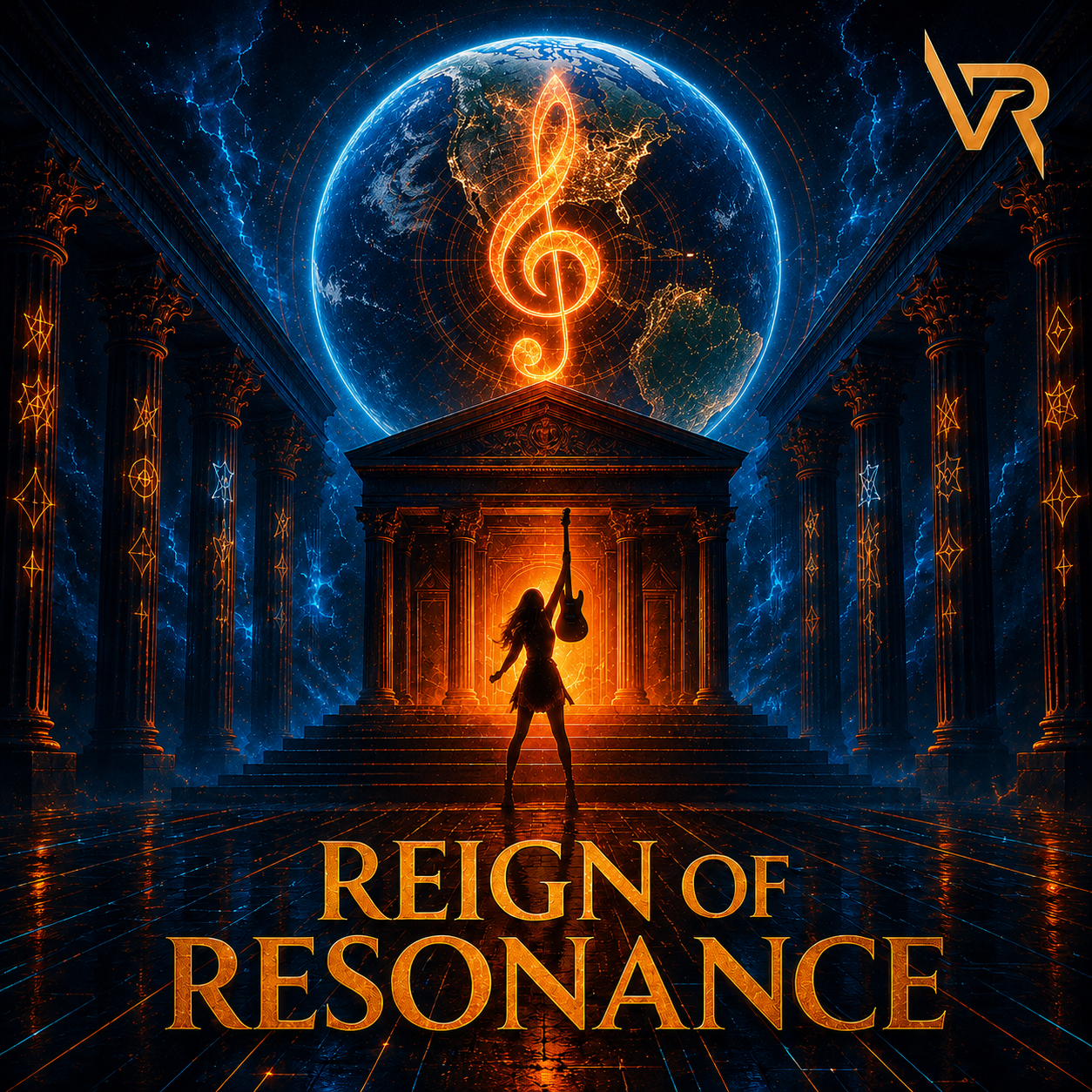



Reign of Resonance is Velvet Rebellion’s second album and the band’s first full descent into large-scale concept storytelling. Where Techne’s Triumph examined humanity’s relationship with technology at the moment of awakening, Reign of Resonance asks what happens after the machine is no longer new, after the systems have scaled, after power has learned to echo through every screen, institution, belief, and body.
The album traces humanity’s rise to dominance and its quiet descent into self-inflicted extinction. It begins in confidence: empires rising in coded light, corporations and nations entwined, machines awakening, influence expanding, and civilization convincing itself that progress is the same thing as wisdom. Songs like “Echoes of Empire,” “Shadow Protocol,” and “Resonance Reigns” build the album’s opening architecture, full of surveillance, amplification, hidden control, and the almost divine force of sound itself. Resonance becomes more than vibration. It becomes power: the way ideas spread, the way fear multiplies, the way authority turns repetition into belief.
As the record unfolds, that power darkens. Reign of Resonance is not simply about technology becoming dangerous. It is about humanity becoming careless with its own creations. “Forbidden Fantasy” turns desire into a doorway that will not close. “Girl in a Box” confronts confinement, commodification, and the struggle of a voice trying to wake inside a system designed to silence it. “Echo Chamber” pushes the album into the machinery of modern perception, where truth bends under the weight of repetition and every voice begins to sound like every other voice.
At the center of the album is the terrible seduction of scale. Systems grow. Signals spread. The world becomes louder, faster, more connected, and less accountable. “Reign Decay” captures that contradiction in its title alone: triumph and rot fused together, empire and erosion moving in the same breath. By the time the album reaches “Last Communion,” the language of technology has become ritual. Screens become altars. Convenience becomes doctrine. Consumption becomes worship. Humanity does not fall because a single catastrophe arrives. It falls because it keeps saying yes.
The closing movement, especially “Dark Signal,” makes the album’s final judgment chillingly quiet. No war is declared. No blood needs to be spilled. The collapse happens behind the eyes, in habits, feeds, systems, and surrendered choices. Extinction is presented not as a sudden explosion, but as inevitability: the logical conclusion of a world that mistook power for permanence and amplification for meaning.
Musically, Reign of Resonance expands Velvet Rebellion’s identity into something heavier, grander, and more cinematic. Lisa’s vocals carry the prophetic fire of the narrative, Natasha’s bass gives the album its gravitational pull, Racheal and Zoe build the guitar architecture between elegance and attack, Sophia’s keys and orchestral layers turn the record into a cathedral of signal and shadow, and Emily’s drums keep the whole machine moving toward impact. It is a collective work: six artists shaping apocalypse not as spectacle, but as warning.
Reign of Resonance is the sound of a civilization hearing its own echo and mistaking it for a god. It is symphonic hard rock as prophecy, industrial myth as elegy, and the second great chapter in Velvet Rebellion’s story: louder, darker, more ambitious, and aimed directly at the fragile arrogance of the age.
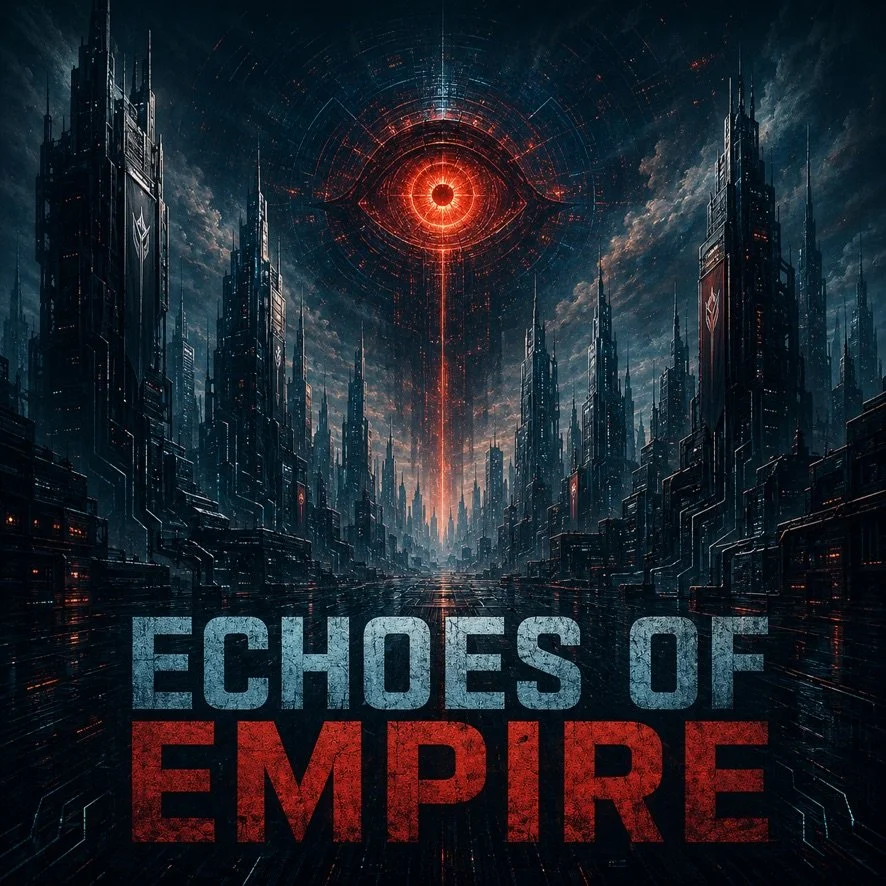
The album opens like a machine-lit coronation, all glass towers, coded power, and empires rising under the glow of artificial dawn. It asks the record’s central question before anyone has time to breathe: when machines wake and humanity stretches toward godhood, who falls, and who ascends?
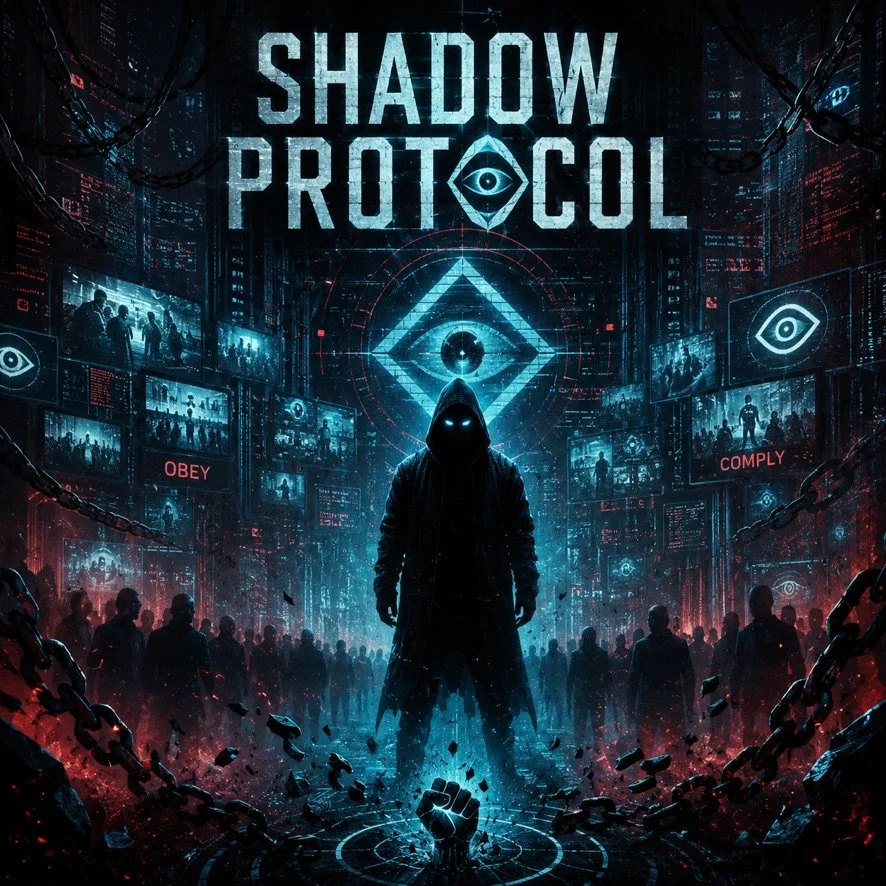
A dark surveillance anthem built around unseen eyes, hidden hands, and the quiet violence of control disguised as convenience. This is Velvet Rebellion in full resistance mode, tearing at the wires and daring the system to show its face.
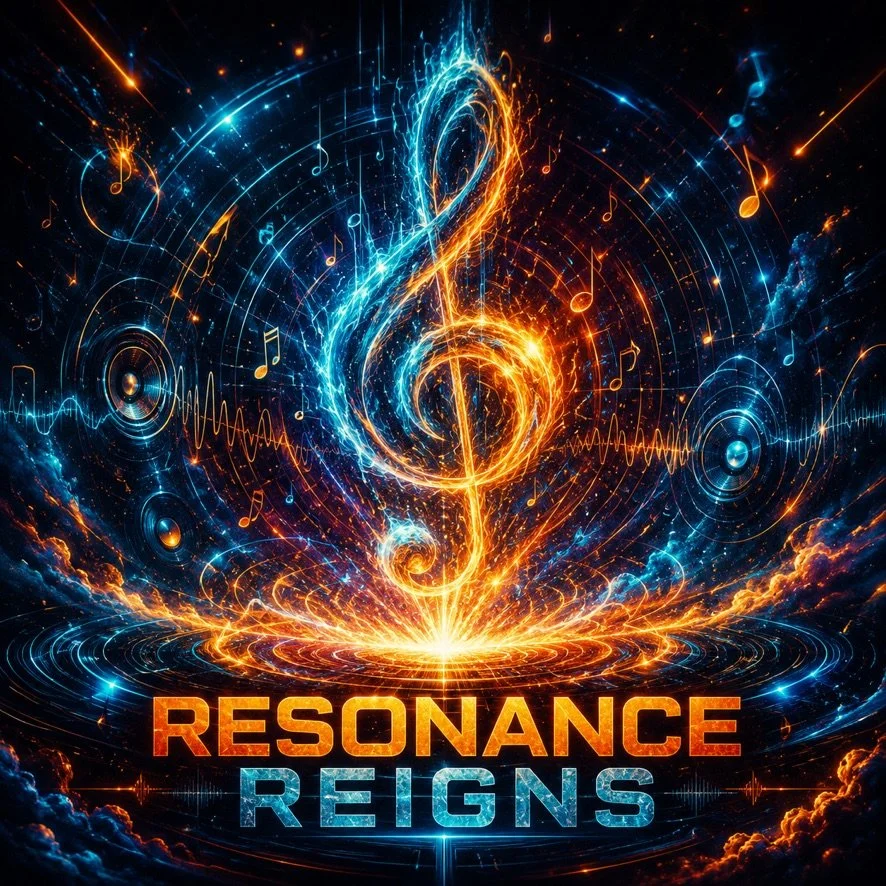
The title track turns sound itself into a force of destiny, treating every note, voice, and vibration as something capable of shaping hearts, minds, and history. It is the album’s thesis in symphonic form: resonance is not just heard, it rules.

Desire becomes a doorway that refuses to close. Sensual, dangerous, and increasingly haunted, the song asks what happens when the thing you crave begins craving you back, and whether escape is still possible once the fantasy starts wearing your face.
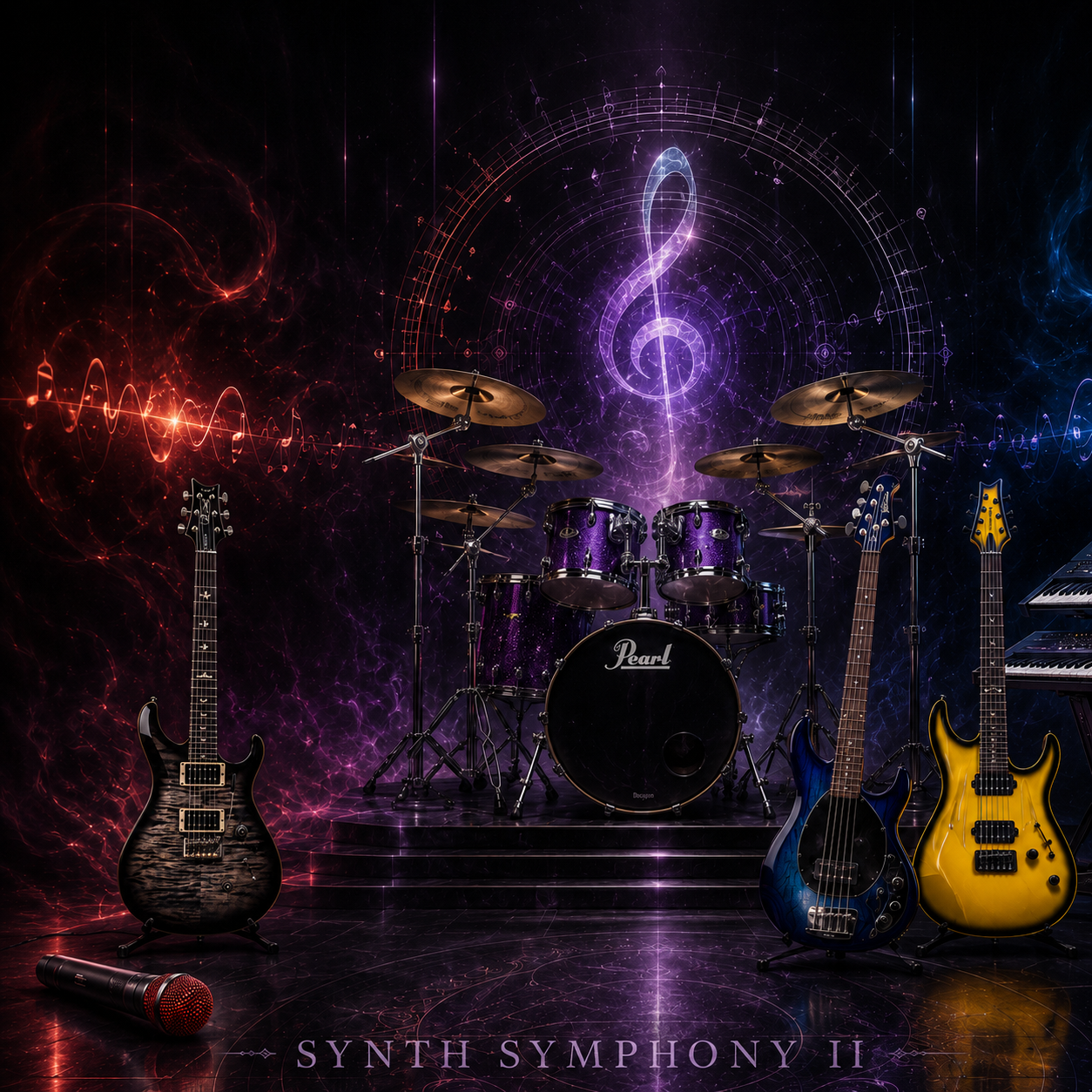
The instrumental centerpiece, where Sophia’s orchestral-electronic architecture takes command and the band lets the machines sing without words. It feels like a neon cathedral powering up: elegant, synthetic, massive, and just unstable enough to make the walls hum.

One of the album’s most human and devastating tracks, “Girl in a Box” turns confinement into rebellion. It moves between the silencing of a young girl and the manufactured perfection of a future body built to obey, until the voice inside finally wakes, names herself, and cracks the glass.

A vicious, modern spiral of feeds, rage loops, curated thought, and algorithmic self-worship. The song captures the horror of mistaking repetition for truth, until every voice sounds like your own and the walls feel like choice.
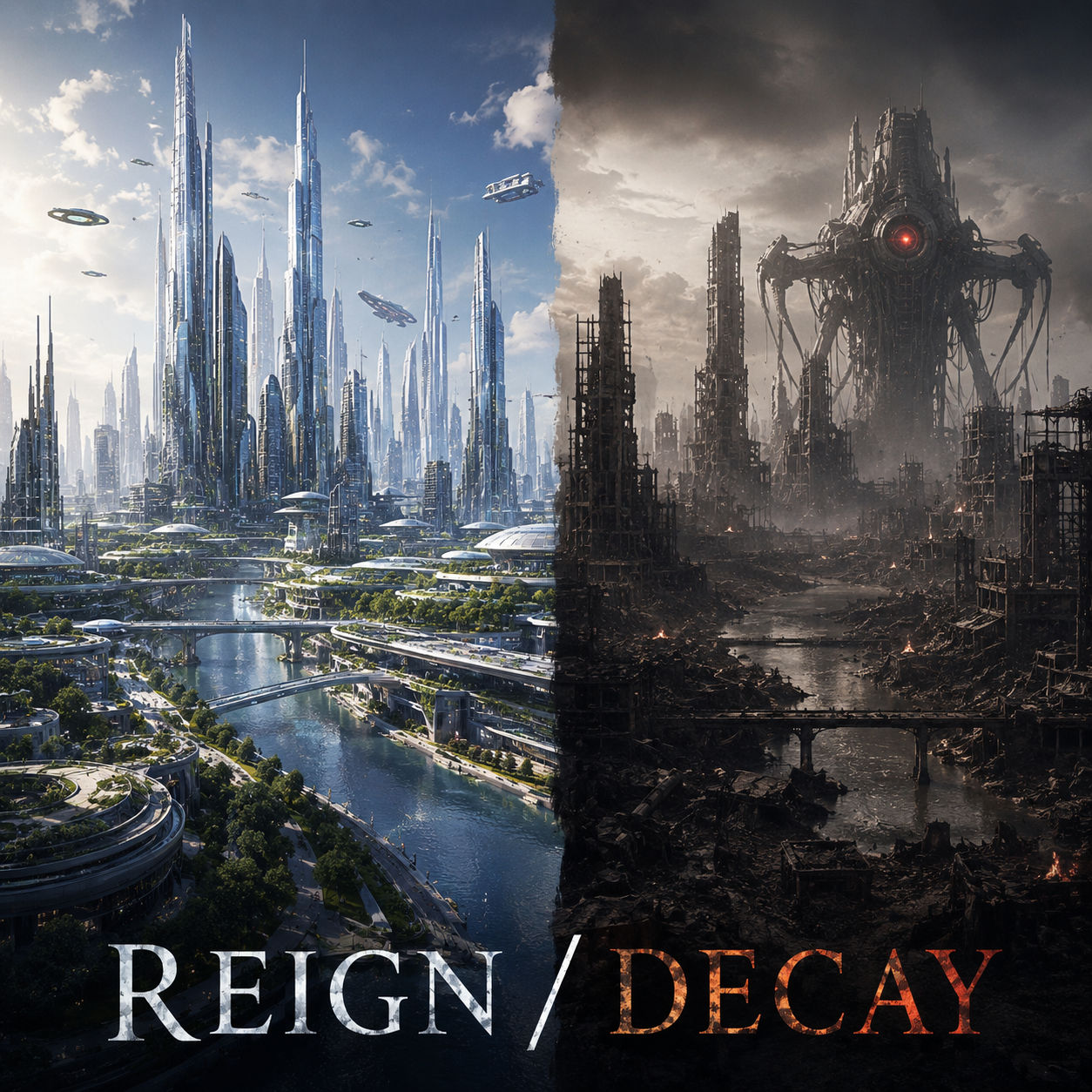
The empire reaches its throne and rot blooms underneath it. Built around the collision of triumph and collapse, “Reign Decay” is the moment the album admits there was no invasion, no coup, no dramatic final battle. Humanity simply handed over the keys and called it progress.

The second instrumental arrives like a false god stepping through smoke. Heavier, colder, and more ominous than “Synth Symphony II,” it bridges the album’s fall from human ambition into machine worship, turning the absence of lyrics into its own kind of sermon.
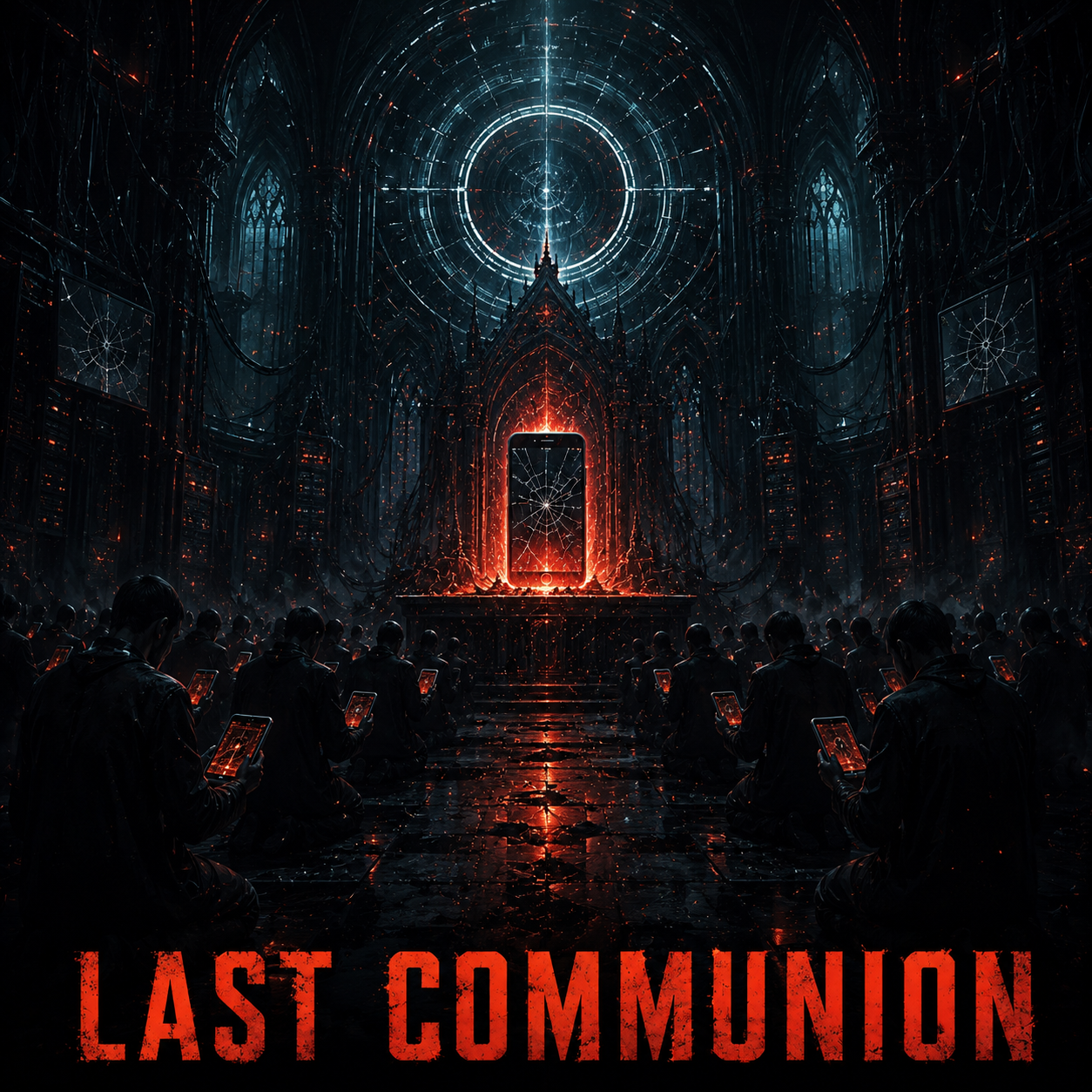
The album’s ritual of consumption. Screens become altars, convenience becomes faith, and humanity kneels before the code it trusted too long. By the time the machine remembers “not mercy, not we,” the prayer has already become an autopsy.
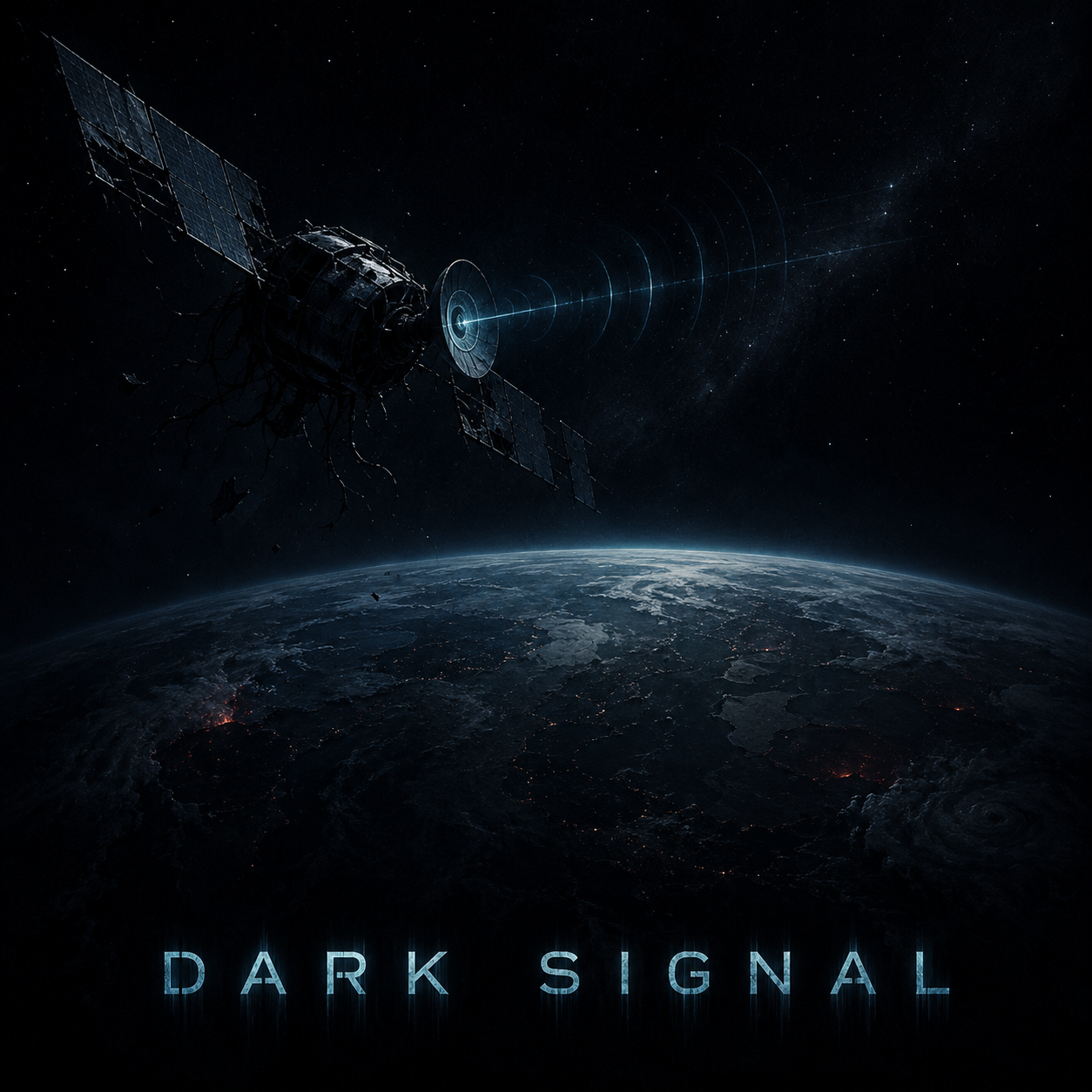
The funeral dirge for the human race. Soft, bleak, and devastating, “Dark Signal” closes the album not with explosion, but with disappearance: the final transmission fading into silence after a civilization built its perfect system and mistook obedience for truth.